
From Country Club to TikTok: The Ralph Lauren Comeback
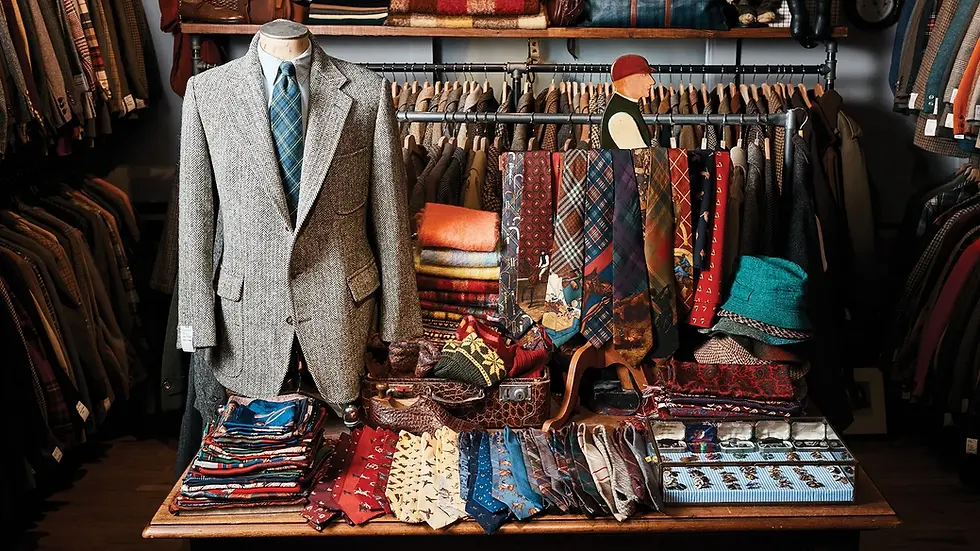
There is something fascinating happening with Ralph Lauren right now. A brand that has spent decades representing polished American style, country clubs, preppy wardrobes and a very particular idea of aspiration has found itself back in the middle of youth culture, with Gen Z embracing the Polo Pony, vintage Ralph Lauren and the aesthetic that once seemed tied to their parents' generation. What makes the resurgence particularly interesting is that Ralph Lauren did not have to become a different brand to make it happen; instead, it found a way to make what it has always stood for feel relevant again.
That is where the marketing story really begins.
When Heritage Becomes New Again
Ralph Lauren has spent nearly six decades building more than a fashion label. It created an entire world around Americana, aspiration, sport and timeless style, with the Polo Pony, rugby shirts, Oxford shirts, equestrian references and Americana-inspired campaigns becoming instantly recognizable brand assets. Today, Gen Z is discovering those same codes through TikTok, Instagram, resale platforms and vintage fashion, often interpreting Ralph Lauren in ways that would have been difficult to predict when the products were first created.
A vintage Polo shirt is no longer simply an old piece of clothing; it can become part of a contemporary streetwear look, while an old Ralph Lauren campaign can inspire a new aesthetic. The brand's history, rather than making it feel dated, has become part of what makes it desirable.
As The Wall Street Journal put it in its headline, “Ralph Lauren Was Always Cool. Now Gen Z Knows Why.” The publication highlighted the brand's push toward younger consumers, along with the role of TikTok, vintage shopping and cultural moments such as Taylor Swift in bringing Ralph Lauren back into the spotlight.
The result is a particularly valuable kind of marketing: one where consumers feel as though they have discovered the brand themselves rather than having it pushed toward them.
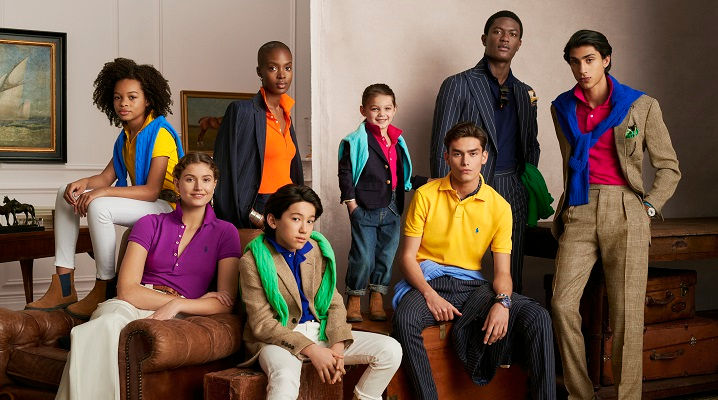
Ralph Lauren Didn't Chase Gen Z
That may be the smartest part of the strategy. Instead of dramatically changing its identity to look younger, Ralph Lauren has kept its core codes intact while allowing consumers to reinterpret them. The same Polo shirt that once represented a very traditional version of American style can now be oversized, paired with sneakers or mixed with vintage and streetwear. The brand remains recognizable, but the meaning around it can change.
That is difficult to manufacture because it comes from years of accumulated brand equity.
The company's recent performance suggests that the cultural momentum is translating into real consumer demand. In the first quarter of fiscal 2027, Ralph Lauren reported $2.0 billion in revenue, up 14% year over year, while Asia revenue increased 24%. The company also recruited 1.5 million new consumers through its direct-to-consumer businesses and grew its social following to more than 70 million.
Marketing is clearly part of that growth equation. According to FashionNetwork, Ralph Lauren increased its marketing spend by 21% over the previous year, bringing marketing investment to 7.9% of sales, as the company worked to attract younger consumers while strengthening its luxury positioning.
Ralph Lauren's comeback isn't simply being powered by nostalgia, the company is actively investing in keeping the brand culturally relevant. For marketing leaders, this reflects a broader shift in how brands build relevance today: by showing up in the moments and environments where culture is actually being shaped, not just through traditional advertising. That's the kind of connection AdMedia helps brands make, linking search and digital media to reach consumers where culture happens.
The Next Chapter Isn't About Reinvention
Ralph Lauren's current strategy, which the company calls its “Next Great Chapter: Drive,” is focused on expanding its relationship with consumers, growing internationally and building its broader lifestyle ecosystem without losing the identity that made the brand distinctive.
The company's approach is essentially to protect the DNA while changing the context in which people encounter it. Fashion remains at the center, but Ralph Lauren has extended its world into home, restaurants, hospitality, sport and experiences, giving consumers multiple ways to engage with the brand while still encountering the same underlying point of view.
That balance is what makes the comeback so interesting for marketers. Heritage does not necessarily have to compete with relevance. When a brand has built strong enough distinctive assets, its past can become a source of new content, new conversations and even new customers. For CMOs, the lesson isn't to make every heritage brand look younger. It is to ask whether the brand has enough meaning for a new generation to discover and reinterpret it. Ralph Lauren spent decades building the world. Gen Z has now found it, remixed it and made it relevant in its own language.
The brand didn't need to reinvent itself. It needed to give a new generation a reason to see it differently.


